
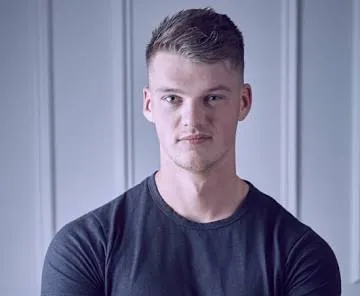

At a Glance: The Bootstrapper Stats
| Metric | Details |
| :--- | :--- |
| The Hustler | Ben Francis |
| The Origin (2012) | A 19-year-old university student in Birmingham, UK |
| The "Low Point" | Working night shifts at Pizza Hut for $6 an hour |
| The Manufacturing | Hand-sewing and screen-printing in his mom's garage |
| The Catalyst | Risking his entire life savings on a single trade show booth |
| The Result | A $1.3+ Billion fitness apparel empire (Zero Venture Capital) |
The Hook: The Smell of Pizza and Sweat
In 2012, Ben Francis’s life was an exhausting loop. He would wake up early to attend university classes. In the afternoon, he went to the gym. From 5:00 PM until midnight, he delivered pizzas for Pizza Hut just to pay for his textbooks and gym membership.
He was a skinny kid who desperately wanted to get bigger, but he had a frustrating problem: the fitness apparel industry ignored him. The clothes in stores were made for massive, 250-pound bodybuilders. They looked ridiculous on a 19-year-old. He wanted a tailored, athletic fit that actually looked good.
Since he couldn't afford to hire a manufacturer, and the big brands didn't care about teenagers, Ben decided to fix the problem himself. He took his pizza delivery tips, bought a cheap screen printer, and set it up in his mother’s garage.
There was just one problem: he didn't know how to sew.
The Struggle: Grandma's Sewing Machine
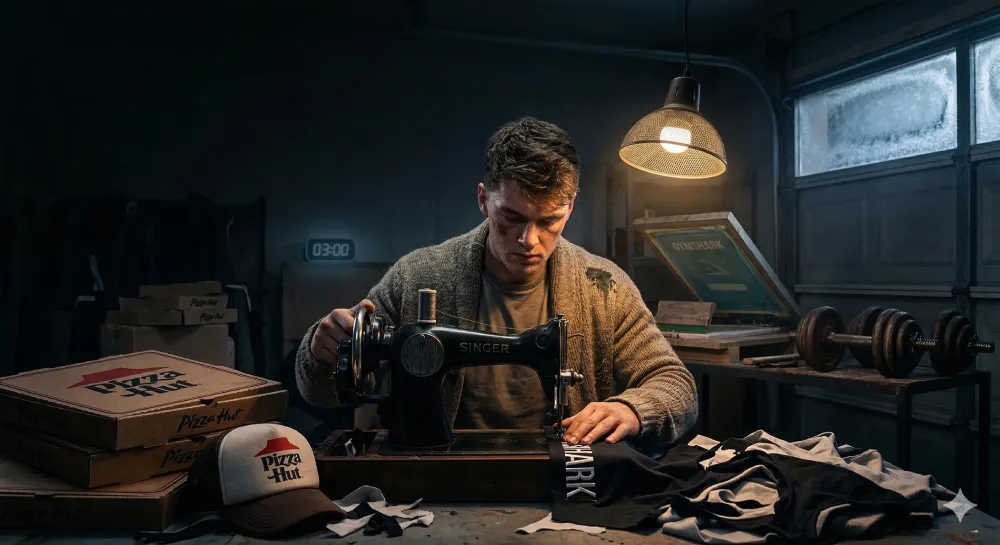
Ben asked his grandmother for a crash course in tailoring. He bought an old sewing machine, dragged it into the garage, and began cutting up his own t-shirts.
For months, he lived on caffeine and adrenaline. He would finish his Pizza Hut shift at midnight, go straight to the freezing garage, and hand-sew "stringer" vests and t-shirts until 3:00 AM.
When he finally launched the Gymshark website, nothing happened. He sold drop-shipped supplements just to keep the lights on. But slowly, the guys at his local gym started noticing the clothes he was wearing. They wanted them.
Whenever an order came in, Ben would individually print, sew, bag, and carry the package to the local post office himself. It was brutally unscalable. If he got 10 orders in a day, it meant he wasn't sleeping that night.
The Turning Point: The £3,000 Gamble
In 2013, Ben made a terrifying decision. He emptied his bank account—everything he had saved from delivering pizzas—to buy a £3,000 booth at the BodyPower fitness expo in the UK. If it failed, Gymshark was dead.
He and his friends designed a new product for the event: the "Luxe Tracksuit." It was fitted, modern, and totally different from the baggy sweatpants everyone else sold.
On the day of the expo, the Gymshark booth was mobbed. People had never seen fitness clothing designed specifically for young aesthetics.
After the weekend, Ben went home, turned on the website, and made the Luxe Tracksuit available online. He sat at his computer and watched the screen. In the first 30 minutes, they sold $40,000 worth of clothing. Ben stared at the monitor, completely paralyzed. He realized he didn't have to deliver pizzas anymore.
3 Lessons for Founders
1. Do the Unscalable Things First
Ben hand-sewed and screen-printed his first thousands of shirts. You don't need a factory in China to start a brand. You need a garage, a grandmother's sewing machine, and the willingness to do the dirty, manual labor until the demand forces you to upgrade.
2. Solve Your Micro-Problem
Ben didn't write a 50-page business plan to disrupt the global apparel market. He was just a skinny teenager who wanted a shirt that fit right. The most powerful brands are born when a founder solves a hyper-specific, personal pain point.
3. Community is Cheaper than Advertising
Long before "Influencer Marketing" was a buzzword, Ben was sending free clothes to his favorite fitness YouTubers just because he genuinely liked their videos. He didn't ask for contracts or ROI. He built real human friendships. When those creators wore his gear, their audiences followed.
FAQ: The Gymshark Story
Q: Does Ben Francis still own the company?
A: Yes. Unlike many founders who sell their companies early to venture capitalists, Ben bootstrapped Gymshark. He maintained majority ownership. In 2020, they sold a 21% stake to General Atlantic, valuing the company at over $1.3 Billion, officially making Ben a billionaire in his twenties.
Q: Did he finish university?
A: No. After the insane success of the BodyPower expo, Ben realized he couldn't balance school, Pizza Hut, and a booming global brand. He dropped out to become a full-time CEO.
Q: Do they still make clothes in his mom's garage?
A: Not quite! Gymshark now operates out of a massive, state-of-the-art headquarters in Solihull, UK, featuring a world-class gym and content studios, but Ben still keeps the original screen printer as a reminder of his roots.
Share this article